
Gratitude Means Noticing Benefits – and Their Sources
Gratitude Means Noticing Benefits – and Their Sources
Gratitude means recognizing a benefit and the source behind it, which can be someone else, nature, or something greater. This awareness supports well-being.
How Gratitude Is Understood in Northern New Mexico
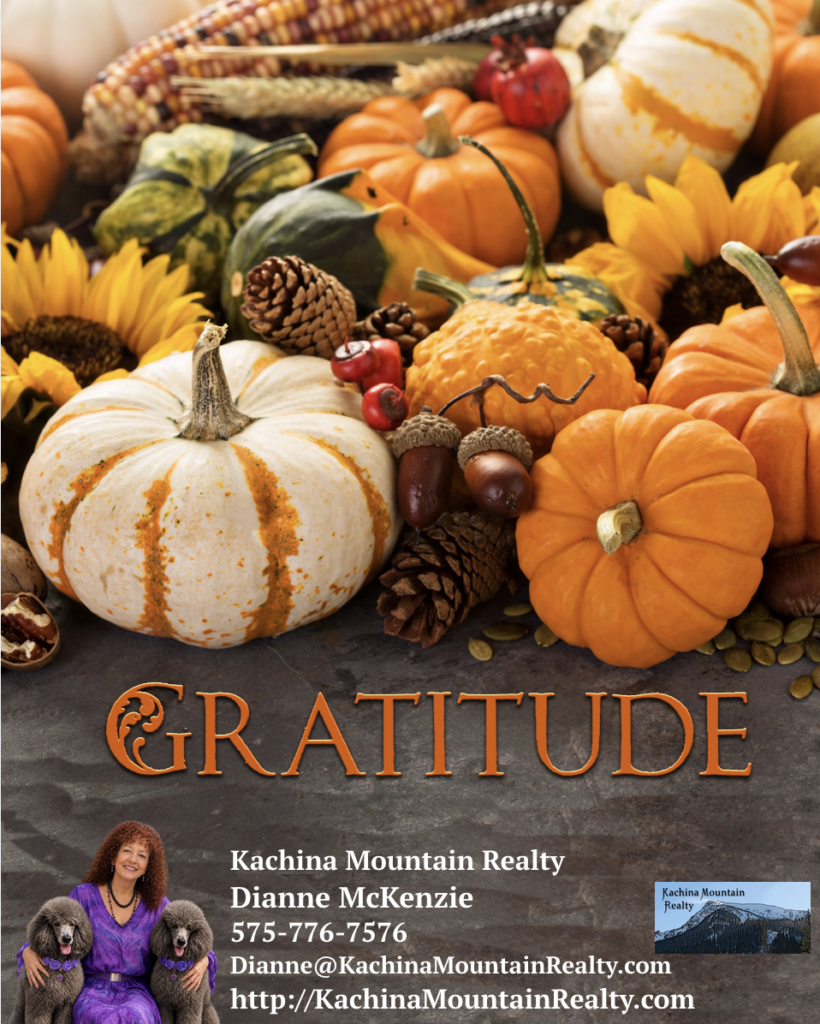 Gratitude involves two steps: first, noticing a positive benefit in your life; second, identifying that its source comes at least partly from outside yourself. This external source could be another person, the natural world, or a higher power.
You can feel gratitude in a fleeting moment or develop it as a steady outlook over time. Some people see it as an emotion that appears briefly, while others grow into being consistently grateful as a trait.
In Santa Fe and Taos, gratitude often blends respect for landscape, creative community, and spiritual practices, all reinforcing both benefit and source recognition.
Gratitude’s Effects on Mind and Well-Being
Researchers find that gratitude links to greater happiness, resilience, life satisfaction, and stronger social bonds. It also tends to lower reported stress and anxiety.
Research highlights about gratitude include:
Gratitude is associated with improved mood, optimism, and reduced negative feelings, though it does not directly cause all health changes.
A 2025 meta-analysis across 28 countries found small but positive effects of gratitude practices on well-being, differing by location.
Physical health connections – like sleep or energy – are less clear, and not as robust as mental health findings.
Reviews up to late 2026 agree: gratitude supports mental well-being, but doesn’t guarantee physical health benefits.
- Gratitude is associated with improved mood, optimism, and reduced negative feelings, though it does not directly cause all health changes.
- A 2025 meta-analysis across 28 countries found small but positive effects of gratitude practices on well-being, differing by location.
- Physical health connections – like sleep or energy – are less clear, and not as robust as mental health findings.
- Reviews up to late 2026 agree: gratitude supports mental well-being, but doesn’t guarantee physical health benefits.
Ways People Practice Gratitude Locally
There are several evidence-based methods to nurture gratitude. Some are private, others are shared, and the form you choose can shape your experience.
Studies highlight the following gratitude exercises:
Gratitude lists or journals: Noting good things and their sources daily or weekly.
Writing gratitude letters: Sharing thanks directly with someone, in writing.
Sending gratitude texts: Modern version of a gratitude letter, with social and emotional benefits.
Mental subtraction: Imagining life without a valued person, object, or experience to highlight its importance.
Naikan reflection or spiritual gratitude: Guided self-examination on how others or a higher power support you.
- Gratitude lists or journals: Noting good things and their sources daily or weekly.
- Writing gratitude letters: Sharing thanks directly with someone, in writing.
- Sending gratitude texts: Modern version of a gratitude letter, with social and emotional benefits.
- Mental subtraction: Imagining life without a valued person, object, or experience to highlight its importance.
- Naikan reflection or spiritual gratitude: Guided self-examination on how others or a higher power support you.
Social and Cultural Aspects of Gratitude in Santa Fe and Taos
Gratitude in these New Mexico communities often carries a social dimension. Expressing thanks can boost cooperation and deepen a sense of belonging, whether you’re part of a creative group or a neighborhood circle.
Research supports that when you communicate appreciation to others, positive effects ripple through relationships – raising satisfaction and supporting happiness for both parties.
Cultural backgrounds shape which gratitude practices work best. What feels natural in one group may not resonate in another, making it worthwhile to tailor your approach to fit your connections.
Meaningful gratitude goes beyond feeling lucky – it’s about clearly recognizing both the gift and the giver.
How Gratitude Fits With Broader Well-Being and Its Limits
Gratitude can be a practical complement to personal and community well-being efforts, especially alongside other forms of reflection or support. It isn’t a standalone cure for serious challenges such as depression or trauma, and research does not suggest using it in place of medical or psychological care.
Choosing the right gratitude practice may come down to whether you want a private reflection, direct expression to another person, guided introspection, or a spiritual exercise. The evidence does not show a single best practice, but suggests trying what feels authentic for you.
Why Recognition Matters for the Santa Fe and Taos Communities
Recognizing benefits and their sources shapes how people see their place in the community. Santa Fe and Taos both encourage linking gratitude to shared experiences, land, and history.
When people practice gratitude here, they reinforce social ties and often build stronger networks – something especially valued in these creative and culturally rich towns.
Noticing both the benefit and where it comes from adds a layer of meaning to daily interactions, inspiring more thoughtful relationships and shared appreciation.
Applying Gratitude in Local Life and Real Estate
For local businesses like Dianne McKenzie’s, practicing gratitude fosters a spirit of connection, benefiting clients and colleagues alike. Recognizing the positive impact of others builds reputation and community trust in Santa Fe and Taos real estate.
In real estate transactions, seeing and acknowledging both benefit and source can help smooth negotiations and inspire collaboration between all parties. This approach makes daily work more satisfying and relationships more resilient.
Ultimately, gratitude in these New Mexico communities is about more than just saying thanks – it’s about honoring connections, valuing contributions, and knowing where goodness comes from in everyday life.
This article summarizes research and best practices for gratitude in the Santa Fe and Taos context. It does not replace advice from licensed health or counseling professionals.